


Choosing the right paint colors for your home can significantly impact its aesthetic appeal, mood, and overall atmosphere. Whether you’re painting a single room or the entire house, the right color palette can enhance the space, reflect your personality, and create a comfortable environment. This guide will help you navigate the process of selecting the perfect paint colors for your home.
Understanding Color Psychology
Colors have the power to influence emotions and moods. Before selecting a paint color, consider the psychological effects different hues can have:
- Blue: Creates a calm and relaxing atmosphere, ideal for bedrooms and bathrooms.
- Green: Evokes freshness and tranquility, making it perfect for living spaces and offices.
- Yellow: Adds warmth and energy, often used in kitchens and dining areas.
- Red: A bold color that stimulates energy, commonly used in accent walls and dining rooms.
- Neutral Tones (Beige, Gray, White): Versatile and timeless, suitable for any room in the house.
Understanding how colors influence emotions can help you choose shades that align with the ambiance you want to create.
Assessing Natural and Artificial Lighting
Lighting plays a crucial role in how a paint color appears in your home. The same shade can look different depending on the amount and type of light in a room:
- Natural Light: South-facing rooms receive warm, bright light, which can enhance warm tones and make cool colors appear more balanced.
- Artificial Light: Incandescent bulbs enhance warm tones, while LED or fluorescent lighting can make colors appear cooler.
Test paint samples in different lighting conditions to see how they change throughout the day before committing to a color.
Coordinating with Existing Décor
Consider the colors of your furniture, flooring, and accessories when choosing paint colors. A well-coordinated palette will create a harmonious look. Here are some tips:
- If you have bold furniture, opt for neutral walls to balance the space.
- Match the undertones of your paint with flooring and furnishings for a cohesive feel.
- Use color swatches next to existing décor to see how they complement each other.
Exploring Different Paint Finishes
Paint comes in various finishes, each with its advantages and best-use cases:
- Flat/Matte: Provides a smooth, non-reflective finish, ideal for ceilings and low-traffic areas.
- Eggshell: Slightly glossy and easy to clean, suitable for living rooms and hallways.
- Satin: Offers a velvety finish and is durable, making it great for kitchens and bathrooms.
- Semi-Gloss & Glossy: Reflective and easy to wipe down, perfect for trim, doors, and cabinets.
Selecting the right finish is just as important as choosing the right color.
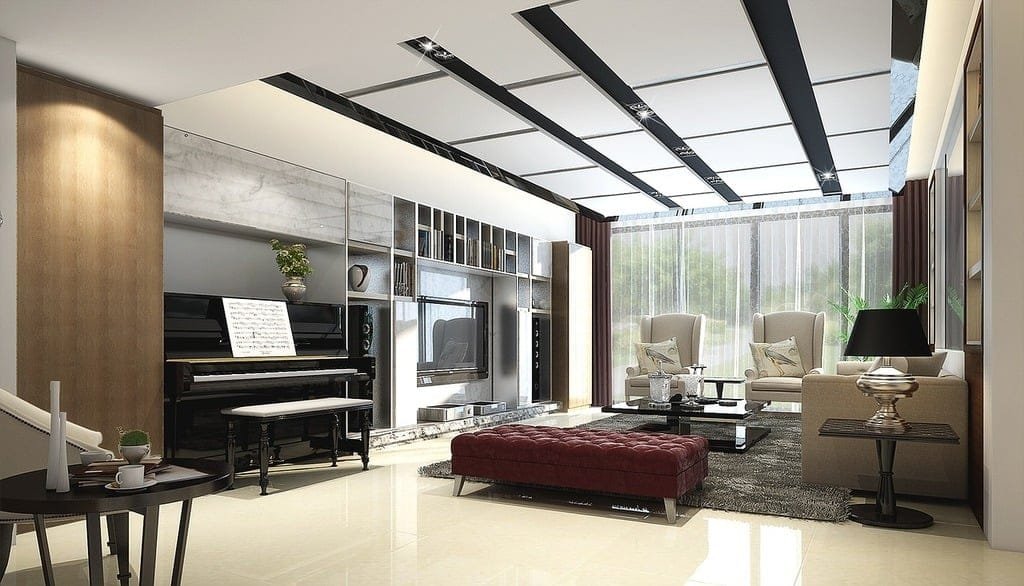
Creating a Flow Between Rooms
For a cohesive home design, select colors that complement each other across different spaces. Some strategies include:
- Using a neutral base color throughout the house and adding accent colors in specific rooms.
- Choosing shades within the same color family for a seamless transition.
- Using a color wheel to find complementary hues that work well together.
A consistent color scheme will make your home feel connected and aesthetically pleasing.
Testing Paint Samples
Before committing to a color, test multiple paint samples on your walls. Here’s how:
- Paint swatches on different walls to see how they look under varying lighting conditions.
- Observe them throughout the day to understand how natural and artificial light affects the color.
- Compare different shades side by side to determine the best fit for your space.
Testing samples will help you avoid costly mistakes and ensure you’re happy with your final choice.
Considering Trends vs. Timeless Colors
While trendy colors can give your home a modern feel, timeless colors ensure longevity and adaptability. Here’s a balance:
- If you love trends, incorporate them through accent walls or décor rather than the entire space.
- Classic hues like white, beige, gray, and soft blues remain stylish for years.
- Think about long-term appeal, especially if you plan to sell your home in the future.
Finding a balance between trendy and timeless colors ensures your home stays stylish and relevant.
Using Accent Walls for Visual Interest
Accent walls can add depth and personality to a room without overwhelming the space. Some ideas include:
- Painting one wall a bold or contrasting color while keeping the others neutral.
- Using textured paint, wallpaper, or murals to create a focal point.
- Choosing an accent wall that enhances architectural features, like fireplaces or built-in shelves.
Accent walls allow for creativity and experimentation with color.
Seeking Professional Guidance
If you’re unsure about choosing the right colors, consider consulting a professional interior designer or color expert. They can:
- Provide expert advice based on your home’s layout, lighting, and style.
- Help you select colors that align with your vision and personality.
- Offer digital or in-home color consultations for tailored recommendations.
A professional’s insight can save time and ensure a well-executed color scheme.
Conclusion
Choosing the right paint colors for your home requires careful consideration of color psychology, lighting, existing décor, finishes, and overall design flow. By testing samples, balancing trends with timeless choices, and using accent walls strategically, you can create a beautiful and harmonious living space. Whether you prefer warm, inviting tones or cool, calming hues, the right paint colors will enhance your home’s ambiance and reflect your personal style.


