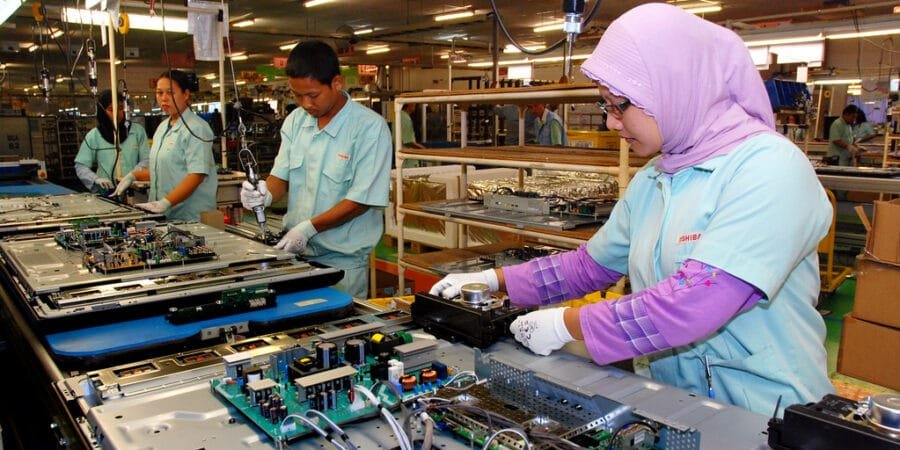
Electronic waste (e-waste) is a growing global concern as technology rapidly advances, leading to the constant disposal of outdated gadgets and devices. Properly recycling electronics is essential to minimize environmental impact, conserve resources, and reduce pollution. This guide explores how to recycle electronics responsibly and adopt sustainable habits to mitigate e-waste.
Understanding E-Waste and Its Impact
E-waste includes discarded electronic devices such as smartphones, laptops, televisions, printers, and batteries. Many of these devices contain hazardous materials like lead, mercury, and cadmium, which can harm the environment and human health if not disposed of correctly. However, they also contain valuable materials, including gold, silver, and rare earth metals, that can be reclaimed and reused.
Improper disposal of e-waste in landfills contributes to soil and water contamination, greenhouse gas emissions, and resource depletion. Recycling electronics correctly can help mitigate these issues by diverting waste from landfills and recovering valuable materials for reuse.
Steps to Recycle Electronics Properly
1. Identify Recyclable Electronics
Before discarding your old devices, determine whether they are recyclable. Common recyclable electronics include:
- Smartphones and tablets
- Laptops and desktop computers
- Televisions and monitors
- Printers and scanners
- Batteries and chargers
- Small appliances (microwaves, coffee makers, etc.)
Check local recycling regulations and programs to ensure that your electronics are accepted at designated facilities.
2. Back Up and Wipe Personal Data
Before recycling electronic devices, protect your personal information by backing up important files and performing a factory reset. Remove storage devices such as hard drives and SD cards when necessary. Secure data erasure helps prevent identity theft and ensures your personal information does not fall into the wrong hands.
3. Find Certified E-Waste Recycling Centers
To ensure that your electronics are recycled responsibly, look for certified recycling programs. Certifications such as R2 (Responsible Recycling) and e-Stewards indicate that the recycler follows ethical and environmentally friendly practices. Use online resources to locate certified e-waste recycling centers in your area.
4. Donate or Resell Usable Devices
If your electronic devices are still functional, consider donating or selling them instead of recycling them. Many organizations accept working electronics for refurbishing and redistribution to schools, low-income families, or charitable causes. Selling old devices through trade-in programs, online marketplaces, or manufacturer buyback programs can also give them a second life while reducing waste.

5. Participate in Manufacturer and Retailer Recycling Programs
Many electronics manufacturers and retailers offer take-back and recycling programs. Some companies provide incentives such as discounts on new products in exchange for old electronics. Check with brands like Apple, Dell, HP, and Best Buy to see if they offer recycling or trade-in programs for your specific devices.
6. Dispose of Batteries Separately
Batteries contain toxic chemicals that require special handling. Lithium-ion, nickel-cadmium, and lead-acid batteries should never be thrown in the trash. Instead, take them to designated battery recycling drop-off points, which can often be found at electronic stores, recycling centers, or municipal waste facilities.
7. Reduce E-Waste Through Responsible Consumption
Reducing e-waste starts with mindful consumption. Consider these sustainable practices to minimize the need for frequent electronic disposal:
- Choose durable products: Invest in high-quality electronics that last longer.
- Repair instead of replace: Fix minor issues instead of discarding devices.
- Upgrade components: Enhance performance by upgrading parts instead of buying a new device.
- Properly maintain devices: Regular cleaning and software updates can extend the lifespan of electronics.
8. Recycle Accessories and Cables
Cables, chargers, headphones, and other electronic accessories can also be recycled. Many e-waste recycling programs accept these items, or you can donate them if they are still in working condition. Additionally, consider repurposing cables and accessories before disposing of them.
9. Educate and Spread Awareness
Encouraging responsible e-waste recycling within your community can have a significant impact. Share information about local recycling programs, advocate for sustainable electronics manufacturing, and educate friends and family about the environmental consequences of improper disposal. The more people participate in responsible recycling, the greater the collective effort to reduce e-waste.
The Benefits of Proper E-Waste Recycling
Recycling electronics properly offers numerous benefits, including:
- Environmental protection: Reduces pollution and prevents hazardous materials from entering landfills.
- Resource conservation: Recovers valuable metals and materials, reducing the need for mining.
- Energy savings: Uses less energy compared to producing new materials from raw resources.
- Job creation: Supports employment opportunities in the recycling and refurbishment industries.
Conclusion
E-waste is a pressing issue, but by recycling electronics responsibly, donating usable devices, and adopting sustainable consumption habits, we can significantly reduce our impact on the environment. Proper e-waste management conserves valuable resources, prevents pollution, and promotes a cleaner, healthier planet. By following these best practices, individuals and businesses can contribute to a more sustainable future for electronic waste management.