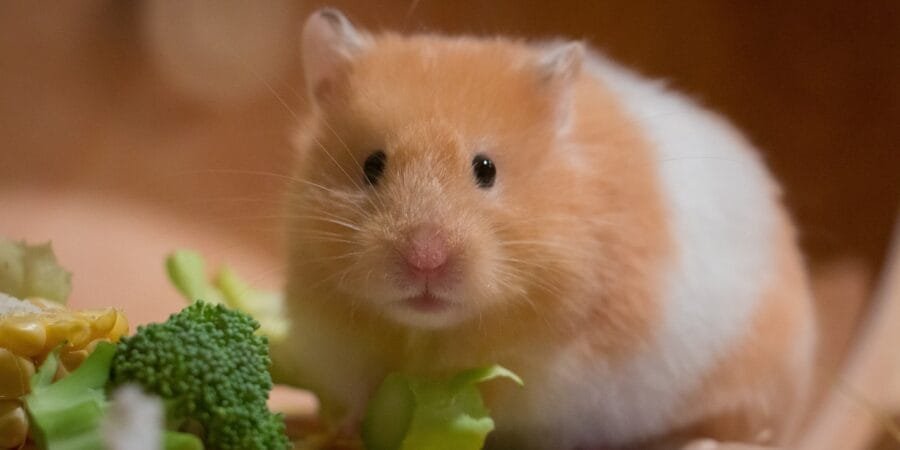
Hamsters are adorable and popular pets, but providing them with the right diet is crucial for their health and well-being. Many new pet owners wonder what hamsters should eat, what foods to avoid, and how to ensure their tiny companions get all the necessary nutrients. This comprehensive guide will help you understand the best nutrition for your hamster.
Understanding a Hamster’s Dietary Needs
Hamsters are omnivores, meaning they eat both plant-based and animal-based foods. In the wild, their diet consists of seeds, grains, fruits, vegetables, and occasional insects or small invertebrates. Pet hamsters require a balanced diet that mimics their natural feeding habits to stay healthy and active.
The Best Foods for Hamsters
Commercial Hamster Food
High-quality hamster pellets or seed mixes should be the foundation of your pet’s diet. These commercial foods are specifically formulated to provide essential nutrients, vitamins, and minerals. Look for brands that offer a balanced mix of grains, seeds, and protein sources.
Fresh Vegetables
Vegetables provide essential vitamins and minerals. Some of the best vegetables for hamsters include:
- Carrots
- Broccoli
- Spinach
- Cucumber
- Zucchini
- Peas
- Bell peppers Always wash vegetables thoroughly before feeding them to your hamster, and introduce new foods gradually to avoid digestive issues.
Fruits in Moderation
Fruits are a great source of natural sugars and vitamins, but they should be given in moderation due to their high sugar content. Safe fruits for hamsters include:
- Apples (without seeds)
- Bananas
- Blueberries
- Strawberries
- Pears
- Grapes (in small amounts) Avoid citrus fruits like oranges and lemons, as their acidity can cause stomach discomfort.

Protein Sources
Protein is essential for your hamster’s growth and overall health. Safe protein-rich foods include:
- Boiled eggs (small pieces)
- Cooked chicken (unseasoned)
- Mealworms
- Plain tofu
- Low-fat cottage cheese Providing protein a few times a week helps maintain a balanced diet.
Healthy Grains and Nuts
Hamsters love grains and nuts, which provide fiber, protein, and healthy fats. Some excellent choices include:
- Oats
- Barley
- Brown rice (cooked and plain)
- Unsalted sunflower seeds
- Unsalted pumpkin seeds
- Whole grain bread (small amounts) Avoid feeding your hamster almonds, as some varieties contain harmful substances.
Foods to Avoid
Certain foods are harmful to hamsters and should never be included in their diet. These include:
- Chocolate (toxic to hamsters)
- Onions and garlic (cause digestive issues)
- Raw potatoes (contain harmful compounds)
- Avocado (toxic and high in fat)
- Processed foods (chips, candy, sugary cereals)
- Salty or seasoned foods
- Alcohol or caffeine-containing products Always research before introducing a new food to your hamster’s diet to ensure its safety.
Hydration and Water Needs
Hamsters require constant access to fresh, clean water. A water bottle with a sipper tube is the best way to provide water, as it keeps it clean and prevents spillage. Check the water supply daily and clean the bottle regularly to avoid bacteria buildup.
Feeding Schedule and Portion Control
Hamsters have small stomachs and should be fed appropriate portion sizes. A balanced diet includes:
- A tablespoon of hamster food per day
- Small amounts of fresh vegetables and protein sources a few times a week
- Occasional threats in moderation Overfeeding can lead to obesity, which negatively affects a hamster’s health. Remove uneaten fresh food after a few hours to prevent spoilage.
The Importance of Chewing
Hamsters have continuously growing teeth, so they need hard foods to help wear them down naturally. Providing chew toys, untreated wooden sticks, and hard foods like nuts in the shell (unsalted) can help maintain dental health.
Conclusion
Feeding your hamster a balanced diet is essential for their overall health and longevity. A mix of high-quality commercial food, fresh vegetables, occasional fruits, protein sources, and healthy grains will keep your furry friend happy and healthy. By understanding what foods to offer and which to avoid, you can ensure your hamster thrives in a well-rounded and nutritious diet.